Introduction
As a website grows, shared hosting often starts showing limitations. Pages load slower, traffic spikes cause issues, and server restrictions prevent proper optimization. This is usually the stage where website owners start hearing about VPS hosting.
VPS hosting sits between shared hosting and dedicated hosting. It offers better performance and control than shared hosting, without the high cost of a dedicated server.
This article explains what VPS hosting is, how VPS hosting works, its advantages and disadvantages, and who should use VPS hosting. It is written to help you decide whether VPS hosting is the right upgrade for your website.
This article is part of our complete web hosting and domain guide (pillar page), which covers hosting basics, types, performance, and SEO impact in detail.
What Is VPS Hosting?
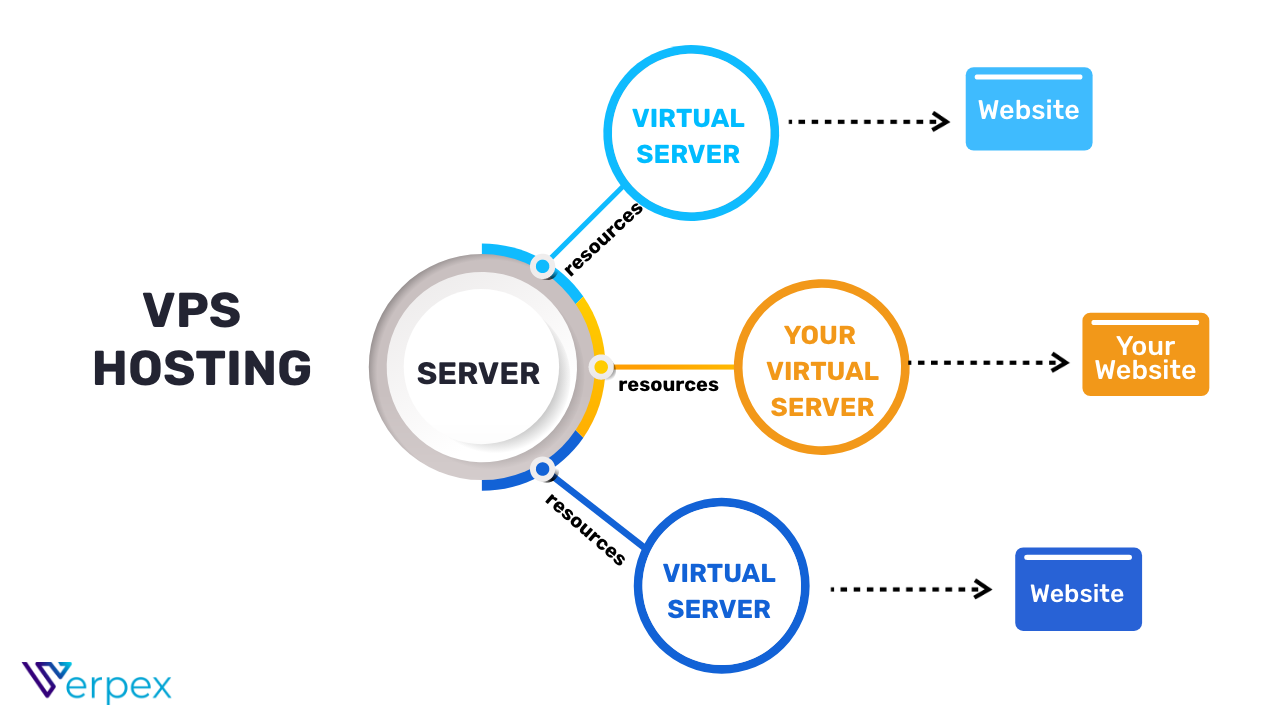
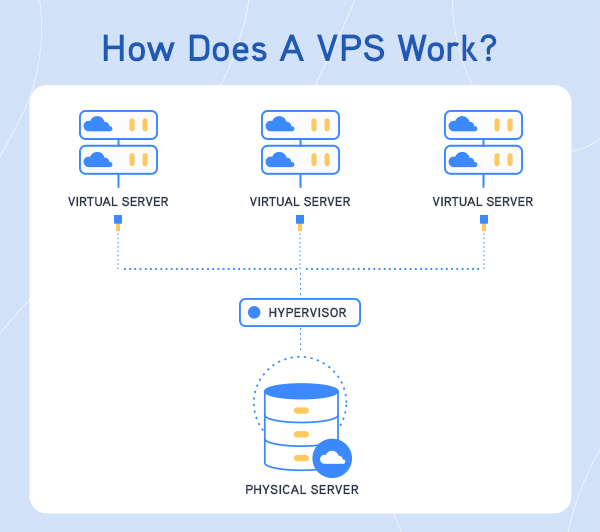
VPS hosting stands for Virtual Private Server hosting. It is a type of web hosting where a single physical server is divided into multiple virtual servers using virtualization technology.
Each virtual server works like an independent server with its own:
- CPU allocation
- RAM allocation
- Storage space
- Operating system
Although multiple VPS users share the same physical hardware, their environments are isolated from each other.
In simple words, VPS hosting gives you your own private space on a server, unlike shared hosting where everything is shared.
How VPS Hosting Works
A physical server is first set up with virtualization software, such as a hypervisor. This software divides the server into multiple virtual machines.
Each virtual machine acts as a standalone server. Your website runs inside one of these virtual servers, with resources reserved specifically for you.
When someone visits your website, only your VPS resources are used to handle the request. Other websites on the same physical server cannot consume your allocated CPU or RAM.
This isolation is the key reason VPS hosting delivers better performance and stability than shared hosting.
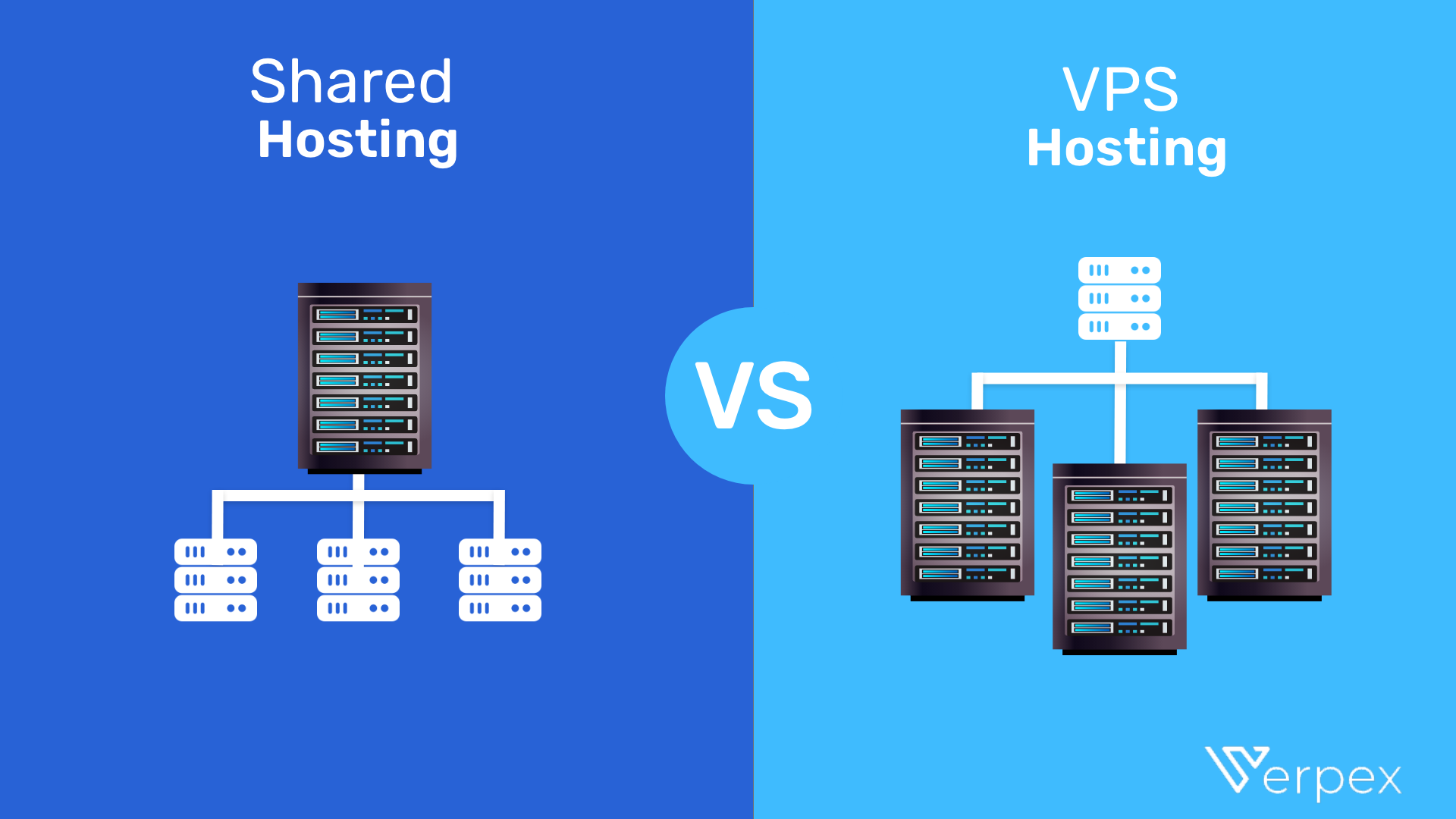
VPS Hosting vs Shared Hosting: The Core Difference
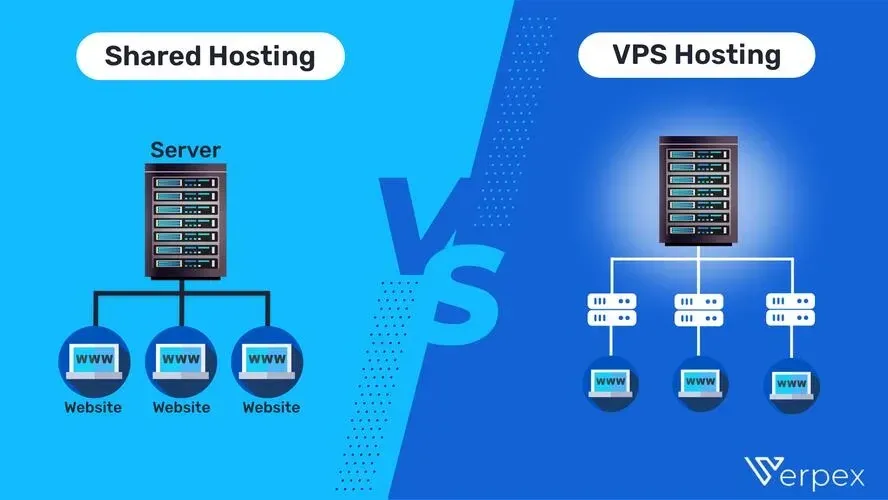

The main difference between VPS hosting and shared hosting lies in resource allocation and isolation.
In shared hosting, all websites compete for the same pool of resources. If one website uses too much CPU or memory, others are affected.
In VPS hosting, your resources are reserved. Even if other VPS users experience high traffic, your website performance remains stable.
This makes VPS hosting far more reliable for growing websites.
Types of VPS Hosting: Managed vs Unmanaged
VPS hosting is commonly offered in two formats: managed and unmanaged.
Managed VPS Hosting
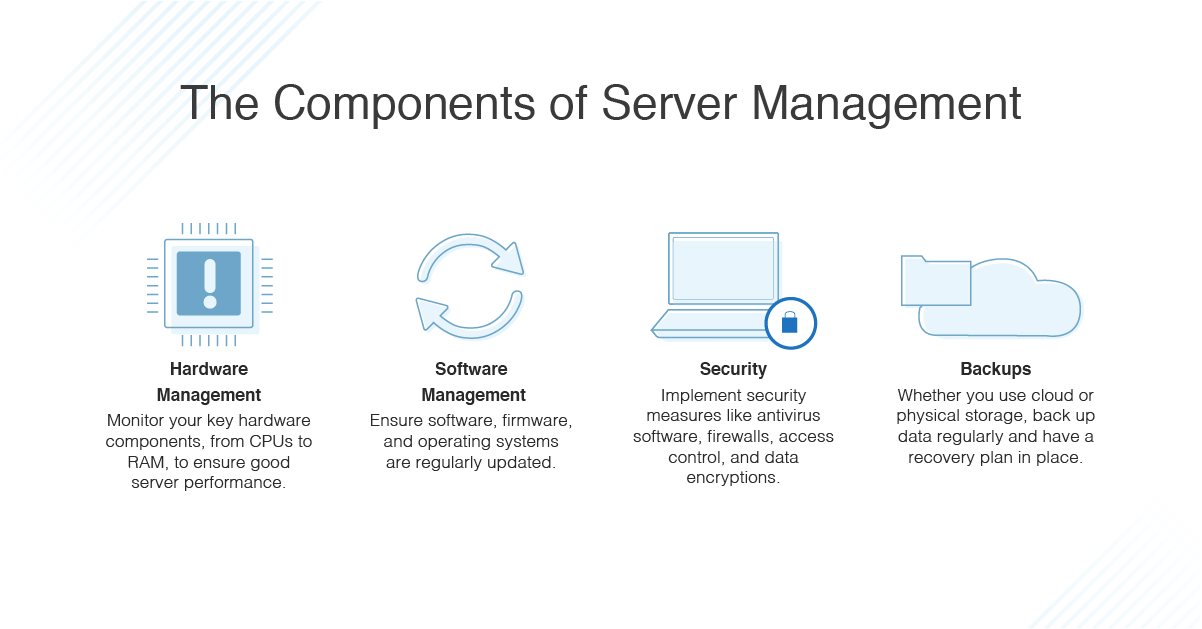
In managed VPS hosting, the hosting provider takes care of server maintenance tasks. These include server updates, security patches, monitoring, and basic troubleshooting.
Managed VPS is ideal for website owners who want better performance but do not want to manage servers themselves.
Unmanaged VPS Hosting
In unmanaged VPS hosting, the user is responsible for everything, including server setup, updates, security, and maintenance.
This option is suitable only for developers or system administrators with strong technical knowledge.
For most website owners, managed VPS hosting is the safer and more practical choice.
Advantages of VPS Hosting
VPS hosting offers a strong balance between performance, control, and cost.
One major advantage is consistent performance. Since resources are dedicated, your website loads faster and handles traffic more efficiently.
Another benefit is increased control. Users can customize server settings, install software, and configure environments based on their needs.
VPS hosting also offers better security compared to shared hosting because each virtual server is isolated.
For growing websites, VPS hosting provides the flexibility to scale resources without migrating to a completely different hosting type.
Disadvantages of VPS Hosting

Despite its benefits, VPS hosting is not perfect for everyone.
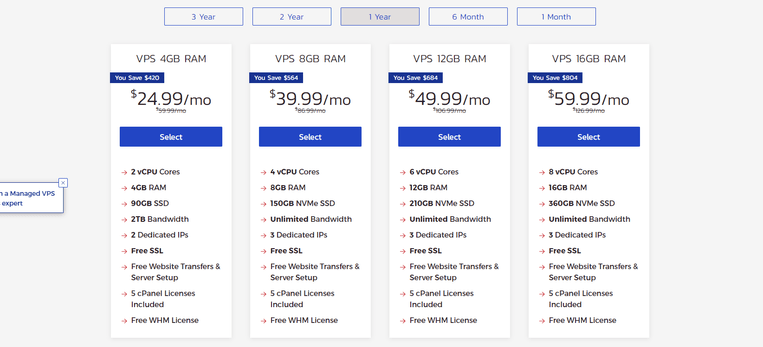
Cost is higher than shared hosting. While still affordable compared to dedicated servers, VPS hosting may be expensive for very small websites.
VPS hosting also introduces technical complexity. Even managed VPS plans require a basic understanding of hosting concepts.
Improper configuration can lead to performance or security issues, which makes choosing a reliable hosting provider important.
Is VPS Hosting Good for SEO?
VPS hosting can positively impact SEO when compared to shared hosting.
Faster server response times, improved uptime, and better handling of traffic spikes all contribute to a better user experience. These factors indirectly support stronger SEO performance.
However, VPS hosting alone does not guarantee rankings. It simply removes performance-related limitations that can hold a website back.
To understand performance impact more deeply, refer to our guide on how hosting affects website speed.
Who Should Use VPS Hosting?
VPS hosting is ideal for websites that have outgrown shared hosting but do not yet need cloud or dedicated hosting.
It is suitable for content publishers with steady traffic, business websites generating leads, WordPress sites with advanced plugins, and early-stage SaaS platforms.
If your website experiences slow loading times on shared hosting or receives consistent traffic, VPS hosting is usually the right upgrade.
When Should You Upgrade to VPS Hosting?
The right time to move to VPS hosting is when shared hosting starts limiting growth.
Common signs include frequent slowdowns, resource limit warnings, downtime during traffic spikes, and poor backend performance.
Upgrading early prevents performance issues from affecting SEO, conversions, and user trust.
VPS Hosting vs Cloud Hosting (Brief Context)
VPS hosting offers predictable resources and pricing. Cloud hosting focuses on scalability and redundancy.
VPS hosting is ideal for steady growth. Cloud hosting is better for unpredictable or rapidly scaling traffic.
Understanding this difference helps you choose hosting based on traffic behavior rather than marketing claims.
Frequently Asked Questions (FAQ)
What is VPS hosting in simple words?
VPS hosting means your website runs on a virtual server with dedicated resources.
Is VPS hosting better than shared hosting?
Yes. VPS hosting provides better speed, stability, and control.
Do I need technical knowledge for VPS hosting?
Basic knowledge is helpful. Managed VPS plans reduce technical responsibility.
Is VPS hosting expensive?
It costs more than shared hosting but is much cheaper than dedicated hosting.
Internal Linking Note
This page supports our types of web hosting cluster and links back to the main web hosting and domain guide (pillar page).
For performance-specific insights, refer to our speed and server location cluster articles.
Final Thoughts
VPS hosting is a natural upgrade for websites that are growing beyond the limits of shared hosting. It provides better performance, improved security, and more control without the complexity of dedicated servers.
For most serious websites, VPS hosting represents the point where hosting becomes a growth enabler rather than a limitation.
Understanding when and why to move to VPS hosting helps avoid performance bottlenecks and prepares your website for the next stage of growth.
Leave a Reply